Stained Glass Repair Services Near You: What to Expect
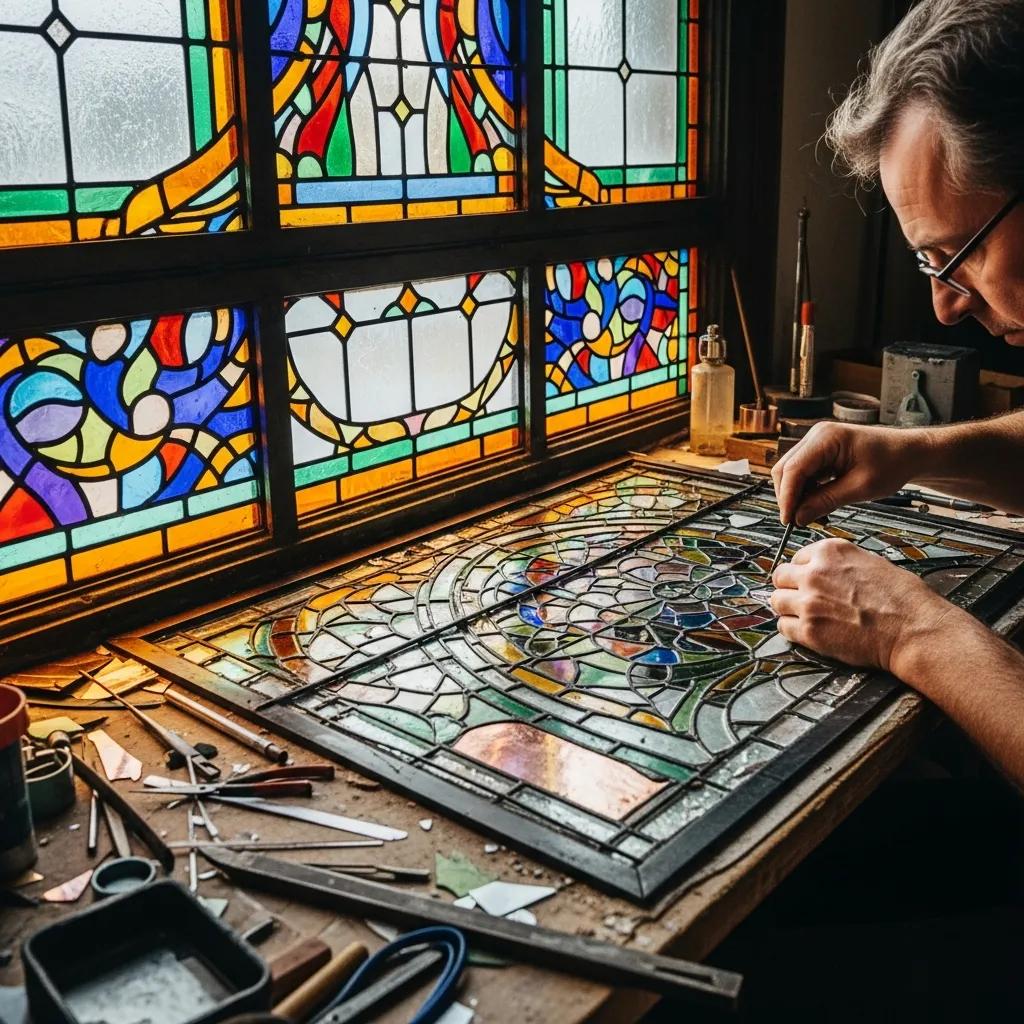
Stained Glass Repair Services Near You: What to Expect
Stained glass windows are not only beautiful but also require proper care and maintenance to preserve their integrity. Understanding the nuances of stained glass repair services can help homeowners and institutions alike make informed decisions when faced with damage. This article will guide you through the common types of stained glass damage, the repair methods available, and what to expect from professionals in the field. Whether you are dealing with cracked panels or looking to commission custom stained glass, knowing the process and potential costs involved is essential. We will explore various aspects, including restoration techniques, project timelines, and maintenance practices to ensure your stained glass remains a cherished part of your property.
What Are the Common Types of Stained Glass Damage and Repair Methods?
Stained glass can suffer from various types of damage, each requiring specific repair methods. Common issues include cracks, breaks, and deterioration of the lead came or solder joints.
Indeed, the inherent fragility and complex nature of stained glass mean that its deterioration presents significant and ongoing restoration challenges.
Stained Glass Deterioration & Restoration Challenges
the danger confronting stained glass today is acute, the prob lem of its deterioration has a long history. Here no procedure is guaranteed, reliable and universal;
The restoration of medieval stained glass, 1985
- Cracks: These can occur due to temperature fluctuations or physical impact. Repairing cracks often involves carefully removing the damaged piece and replacing it with a new glass panel.
- Breaks: Broken glass panels require complete replacement. The process involves removing the entire panel and creating a new one that matches the original design.
- Deterioration: Over time, the lead came can corrode, leading to structural weaknesses. Repairing this involves re-leading the panel to restore its strength.
Professional repair services ensure that these repairs are done with precision, maintaining the aesthetic and structural integrity of the stained glass.
How Is Cracked or Broken Stained Glass Repaired?
Repairing cracked or broken stained glass is a meticulous process that requires skill and expertise. The first step involves assessing the damage to determine the best course of action.
For cracks, the technician may use a special adhesive to bond the glass back together, ensuring that the repair is nearly invisible. In cases of complete breaks, the damaged panel is carefully removed, and a new piece of glass is cut to fit the original design.
The new glass is then secured using lead came or solder, ensuring that it matches the surrounding panels in both color and texture. This process not only restores the window’s beauty but also reinforces its structural integrity.
What Restoration Techniques Preserve Historical and Artistic Integrity?
Restoration of stained glass, especially in historical contexts, requires techniques that respect the original craftsmanship.
Understanding the intricate details of stained glass restoration often begins with a thorough condition analysis and precise specifications to guide the process.
Stained Glass Restoration: Condition Analysis & Specifications
Specifications for the restoration of stained glass must take into account all aspects of the craft and restoration of stained glass. KEYWORDS: stained glass, Tiffany, condition
Stained Glass Conservation: Condition Analyses and Specifications, 1996
- Conservation: This involves cleaning the glass and repairing any minor damages without altering the original design.
- Releading: When the lead came deteriorates, it is replaced while keeping the original glass intact. This method preserves the historical value of the piece.
- Glass Replacement: In cases where glass is too damaged to repair, new glass can be sourced to match the original as closely as possible, ensuring that the artistic integrity remains intact.
These techniques are crucial for maintaining the historical significance of stained glass windows, especially in churches and heritage buildings.
How Does the Custom Stained Glass Commission Process Work?
Commissioning custom stained glass involves several steps to ensure that the final product meets the client’s vision.
- Initial Consultation: This is where the client discusses their ideas, preferences, and budget with the artist.
- Design Process: The artist creates sketches based on the consultation, which are then reviewed and refined with the client’s input.
- Production: Once the design is approved, the artist begins the fabrication process, which includes cutting, painting, and assembling the glass.
This collaborative process ensures that the final piece is not only beautiful but also a true reflection of the client’s desires.
What Steps Are Involved in Design Consultation and Project Planning?
The design consultation and project planning for custom stained glass projects typically involve the following steps:
- Needs Assessment: Understanding the client’s requirements and the intended location for the stained glass.
- Budget Discussion: Establishing a budget that aligns with the client’s expectations and the complexity of the design.
- Timeline Establishment: Setting a realistic timeline for the project, including design, production, and installation phases.
These steps are essential for ensuring that the project runs smoothly and meets the client’s expectations.
What Are Typical Timelines for Custom Stained Glass Projects?
The timeline for custom stained glass projects can vary based on several factors, including the complexity of the design and the artist’s workload. Generally, the process can take anywhere from 8 to 12 weeks from initial consultation to installation.
- Design Phase: This can take 2-4 weeks, depending on revisions and approvals.
- Production Phase: Fabrication of the stained glass typically requires 4-6 weeks.
- Installation: The final installation can take 1-2 weeks, depending on the project’s scale.
Understanding these timelines helps clients plan accordingly and set realistic expectations for their projects.
What Factors Influence the Cost of Stained Glass Window Repair?
Several factors can influence the cost of stained glass window repair, including:
- Type of Damage: The extent of the damage significantly affects the repair cost. Minor repairs are less expensive than complete replacements.
- Materials Used: The quality of glass and lead came can impact pricing. Higher quality materials may increase costs but ensure durability.
- Labor Costs: Skilled labor is essential for stained glass repairs, and the complexity of the work can affect labor costs.
Understanding these factors can help clients budget effectively for their stained glass repair needs.
How Do Damage Type and Repair Complexity Affect Pricing?
The complexity of the repair and the type of damage directly correlate with the pricing structure.
- Minor Repairs: Simple crack repairs may cost between £100 to £300, depending on the size and location of the damage.
- Moderate Repairs: More extensive repairs, such as re-leading, can range from £300 to £600.
- Major Repairs: Complete panel replacements can exceed £600, especially for intricate designs or larger panels.
Clients should discuss these factors with their repair service to get a clear estimate based on their specific situation.
What Are Typical Price Ranges for Local Stained Glass Restoration Services?
Local stained glass restoration services typically offer a range of pricing based on the services provided.
- Basic Repairs: Prices for basic repairs usually start around £100.
- Comprehensive Restoration: More extensive restoration services can range from £300 to £1,000, depending on the complexity and materials used.
- Custom Commissions: Custom stained glass commissions can vary widely, often starting at £500 and going up based on design intricacy and size.
These price ranges provide a general idea of what clients can expect when seeking stained glass services.
How Can You Maintain and Preserve Stained Glass Windows After Repair?
Maintaining stained glass windows after repair is crucial for their longevity. Here are some recommended practices:
- Regular Inspections: Check for any signs of damage or deterioration at least once a year.
- Cleaning: Use a soft, damp cloth to clean the glass, avoiding harsh chemicals that can damage the surface.
- Environmental Considerations: Ensure that the windows are not exposed to extreme weather conditions, which can accelerate wear and tear.
Implementing these maintenance practices can help preserve the beauty and integrity of stained glass windows for years to come.
What Are Recommended Maintenance Practices for Longevity?
To ensure the longevity of stained glass windows, consider the following maintenance practices:
- Avoid Direct Sunlight: If possible, limit direct sunlight exposure to prevent fading and heat damage.
- Sealant Application: Applying a protective sealant can help shield the glass from moisture and dirt accumulation.
- Professional Cleaning: Schedule professional cleanings every few years to maintain the glass’s clarity and vibrancy.
These practices not only enhance the appearance of stained glass but also extend its lifespan.
When Is Stained Glass Panel Replacement Necessary?
Stained glass panel replacement becomes necessary when the damage is beyond repair. Signs that indicate replacement may be needed include:
- Severe Cracking: If cracks compromise the structural integrity of the panel.
- Extensive Deterioration: When the lead came is corroded or the glass is significantly chipped or broken.
- Inability to Restore: If repairs would not restore the panel to its original beauty or function.
In such cases, consulting with a professional stained glass artist is essential to discuss replacement options.