Contemporary Stained glass artist inspired by nature
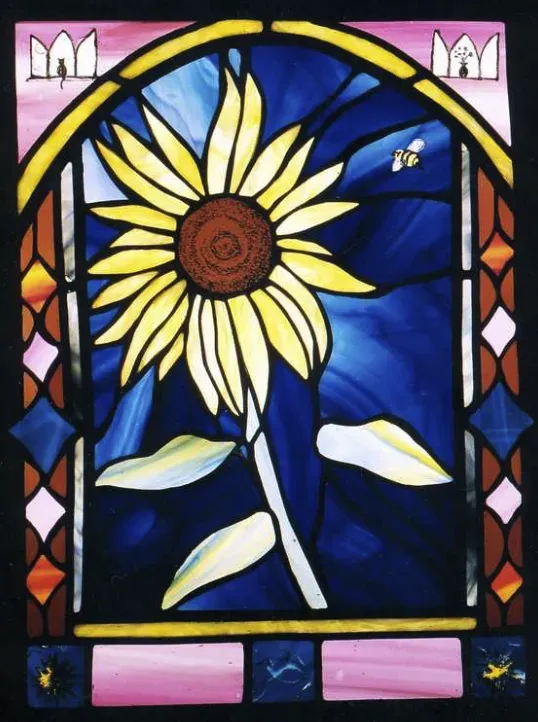
Custom Contemporary Stained Glass Art Inspired by Nature: Commissioning and Design Insights
Contemporary stained glass art has evolved into a vibrant medium that captures the beauty of nature through intricate designs and personalized commissions. This article delves into the process of commissioning custom stained glass art inspired by nature, exploring the creative journey, material selection, and artistic techniques involved. Readers will gain insights into how bespoke stained glass can transform spaces, whether in homes, churches, or public institutions. The journey of creating these unique pieces begins with understanding the client’s vision and culminates in the artistry of glass. This guide will cover the essential steps in commissioning stained glass, the popular motifs that inspire designs, and the techniques that bring these artworks to life.
Indeed, the relationship between glass art and the natural world is a profound and ancient one, extending far beyond mere aesthetic representation.
Glass Art & Nature: A Timeless Connection
Glass: this cold, neat and aseptic, synthetic product seems to be more different from the natural world than almost any other material created by humans for their practical or aesthetical needs. Yet, this robust, adaptable and useful in so many ways man-made medium is anything but separate from nature. The art of glass has more than five millennia of history intertwined with the nature. Natural or man-made, glass has been used from the earliest times to represent animals, plants and all natural items man could reproduce in this rather difficult but with so many ways of expression medium. In the beginning, glass had primarily aesthetic and magic purposes and only centuries later it became also utilitarian, without losing its initial aim of embellishment.
GLASS and NATURE, 2023
Commissioning custom stained glass art inspired by nature involves several key steps and considerations:
The commissioning process for custom stained glass art is a collaborative journey that requires careful planning and communication between the artist and the client. It typically begins with an initial consultation where ideas are exchanged, and the client’s vision is articulated. This phase is crucial as it sets the foundation for the design process, ensuring that the final artwork reflects the client’s desires and the natural inspirations behind it.
Creative Process:
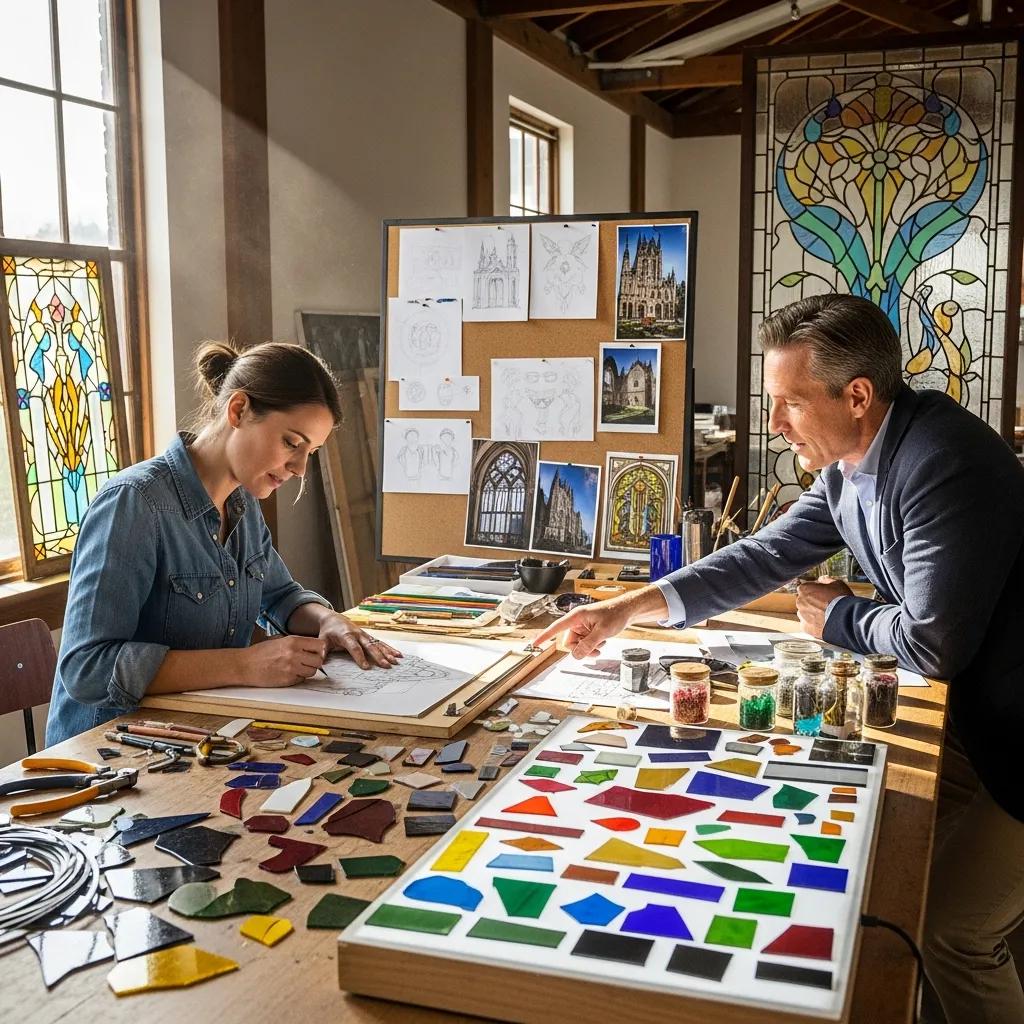
The creative process in commissioning stained glass art is both dynamic and iterative. It often starts with the artist sketching initial concepts based on the client’s input. This phase emphasizes the importance of client collaboration, allowing for feedback and refinement of the designs. The artist may present several sketches, incorporating elements that resonate with the client’s vision, such as specific nature motifs or color palettes. This collaborative approach ensures that the final piece is not only aesthetically pleasing but also deeply personal.
Material Selection:
Material selection plays a pivotal role in the creation of stained glass art. The types of glass used can significantly affect the artwork’s durability and visual appeal. Artists typically choose from a variety of glass types, including opalescent, transparent, and textured glass, each offering unique qualities. The choice of materials also impacts the overall cost of the project, as certain glass types may be more expensive than others. Understanding these options allows clients to make informed decisions that align with their budget and aesthetic preferences.
Artistic Techniques:
Various artistic techniques are employed in the creation of stained glass, each contributing to the final artwork’s character. Traditional methods, such as lead came construction, involve using strips of lead to hold glass pieces together, while contemporary techniques may incorporate copper foil for a more delicate finish. Additionally, fused glass techniques allow for the melding of different glass types, creating unique textures and colors. These artistic choices not only enhance the visual impact of the stained glass but also reflect the artist’s style and expertise.
The evolution of stained glass techniques has been instrumental in its journey from a culturally significant art form to a versatile modern medium.
Stained Glass: Cultural Evolution & Modern Techniques
Stained glass is an object of great cultural value in Europe. The aim of this work is to approach stained glass from a semiotic point of view, in order to explore the different dynamics that have enabled the material to acquire this position. The first part of this study traces the theoretical evolution of image apprehension through a semiotic perspective. It also places stained glass in the context of Floch’s methods for analyzing aesthetic perception and the support and considers Fontanille’s poly-sensory experience as the most relevant way of apprehending stained glass. The second part of this work details the technical developments associated with the object in order to explain the positioning and cultural evolution of stained glass: from a religious educational tool to a modern industrial material, via an icon of the Art Nouveau movement.
Semiotic approach of the stained glass, 2022
Typical Timelines:
The timeline for commissioning stained glass art can vary based on the complexity of the design and the artist’s workload. Generally, the process can take anywhere from a few weeks to several months. The design phase typically lasts 2-4 weeks, during which sketches are refined and materials are selected. Following this, the production phase may take an additional 4-12 weeks, depending on the intricacy of the piece. Finally, installation can be scheduled once the artwork is completed, ensuring that it is properly fitted into its designated space.
Popular Nature Motifs:
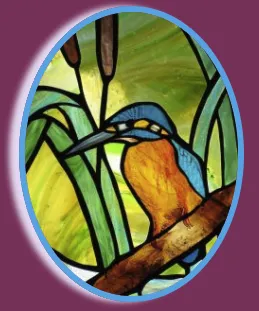
Nature motifs are a significant source of inspiration in contemporary stained glass design. Common themes include floral designs, landscapes, and wildlife, each bringing a unique essence to the artwork. Floral patterns often feature vibrant colors and intricate details, while landscapes may depict serene scenes that evoke tranquility. Wildlife motifs can add a dynamic element, showcasing the beauty of animals in their natural habitats. These motifs not only enhance the aesthetic appeal of the stained glass but also connect the artwork to the natural world.
What is the process for commissioning bespoke nature-inspired stained glass?
The process for commissioning bespoke nature-inspired stained glass begins with an initial consultation where the client discusses their vision with the artist. This is followed by the design phase, where sketches are created and refined based on client feedback. Once the design is approved, the artist selects materials and begins the production phase, which culminates in the installation of the finished piece. Throughout this process, clear communication is essential to ensure that the final artwork meets the client’s expectations.
How does Rise and Shine Stained Glass tailor custom commissions?
Rise and Shine Stained Glass specializes in tailoring custom commissions to meet the unique needs of each client. The company offers personalized consultations that allow clients to express their ideas and preferences. This collaborative design process ensures that the final artwork is a true reflection of the client’s vision, incorporating specific nature motifs and color schemes that resonate with them. By focusing on individual client needs, Rise and Shine Stained Glass creates bespoke stained glass pieces that are both beautiful and meaningful.
What are the typical timelines and consultation steps?
The typical timelines for commissioning stained glass art involve several key phases. The initial consultation usually takes place within a week of the client’s inquiry, followed by a design phase lasting 2-4 weeks. After the design is finalized, the production phase can take an additional 4-12 weeks, depending on the complexity of the piece. Finally, installation is scheduled, ensuring that the artwork is properly integrated into its intended space. Clear communication throughout these steps is vital for a successful commissioning experience.
Which nature motifs are popular in contemporary stained glass design?
Contemporary stained glass design often features a variety of popular nature motifs that resonate with clients. Common themes include:
- Floral Patterns: These designs capture the beauty of flowers, often incorporating vibrant colors and intricate details.
- Landscapes: Scenic depictions of nature, such as mountains, rivers, and forests, evoke a sense of tranquility and connection to the outdoors.
- Wildlife: Animal motifs showcase the beauty of wildlife, adding a dynamic element to the artwork.
These motifs not only enhance the visual appeal of stained glass but also create a deeper connection to nature.
How are natural elements like leaves and landscapes integrated artistically?
Natural elements such as leaves and landscapes are integrated into stained glass art through careful design and artistic techniques. Artists often draw inspiration from the shapes, colors, and textures found in nature, translating these elements into glass. Techniques such as glass painting and etching can be used to add intricate details, while layering different glass types can create depth and dimension. This artistic integration allows for a seamless blend of natural beauty and craftsmanship, resulting in stunning stained glass pieces.
What trends influence nature-inspired stained glass themes?
Current trends in nature-inspired stained glass design reflect a growing appreciation for sustainability and organic aesthetics. Many artists are now focusing on eco-friendly materials and techniques, ensuring that their work aligns with contemporary values. Additionally, there is a trend towards minimalism, where designs emphasize simplicity and elegance, allowing the beauty of the glass itself to shine. These trends not only influence the artistic direction of stained glass but also resonate with clients seeking meaningful and environmentally conscious art.
How do contemporary stained glass techniques enhance bespoke window artistry?
Contemporary stained glass techniques have significantly enhanced the artistry of bespoke window designs. Innovations such as fused glass and copper foil methods allow for greater flexibility in design, enabling artists to create intricate patterns and textures that were previously difficult to achieve. These techniques also improve the durability and longevity of stained glass installations, ensuring that the artwork remains vibrant and intact over time. As a result, contemporary stained glass art not only captivates the eye but also stands the test of time.
What materials and craftsmanship define modern stained glass works?
Modern stained glass works are defined by a combination of high-quality materials and skilled craftsmanship. Artists often select premium glass types, such as mouth-blown or hand-rolled glass, which offer unique colors and textures. The craftsmanship involved in creating stained glass is meticulous, requiring precision in cutting, assembling, and finishing each piece. This dedication to quality ensures that the final artwork is not only visually stunning but also durable and long-lasting.
How does technique impact durability and visual effect?
The techniques used in stained glass creation have a profound impact on both durability and visual effect. For instance, traditional lead came construction provides a sturdy framework for the glass, while copper foil techniques allow for more delicate designs. Additionally, the choice of glass types can influence the artwork’s resistance to environmental factors, such as UV light and temperature changes. Understanding these technical aspects is essential for artists and clients alike, as they directly affect the longevity and aesthetic appeal of the stained glass.
What care and maintenance practices preserve stained glass installations?
Proper care and maintenance are crucial for preserving stained glass installations. Regular cleaning is essential to remove dust and grime, which can dull the glass’s vibrancy. Homeowners should use a soft cloth and a mild soap solution to gently clean the surface without damaging the glass. Additionally, periodic inspections can help identify any potential issues, such as cracks or loose pieces, allowing for timely repairs. By following these practices, clients can ensure that their stained glass art remains beautiful for years to come.
How should homeowners and institutions maintain stained glass panels?
Homeowners and institutions can maintain stained glass panels by adhering to a few key practices:
- Regular Inspections: Check for any signs of damage, such as cracks or loose pieces, to address issues promptly.
- Gentle Cleaning: Use a soft cloth and mild soap solution to clean the glass without causing scratches.
- Environmental Considerations: Ensure that stained glass is not exposed to extreme temperatures or direct sunlight for prolonged periods, which can affect its integrity.
By implementing these maintenance strategies, stained glass installations can be preserved effectively.
What restoration services are available for aging artworks?
Restoration services for aging stained glass artworks are essential for maintaining their beauty and integrity. Common services include:
- Releading: This process involves replacing old lead came with new material to ensure structural stability.
- Glass Replacement: Damaged or missing glass pieces can be replaced to restore the artwork’s original appearance.
- Professional Cleaning: Specialized cleaning services can remove years of grime and restore the glass’s vibrancy.
These restoration services are vital for preserving the artistic and historical value of stained glass installations, ensuring they continue to be appreciated for generations to come.